
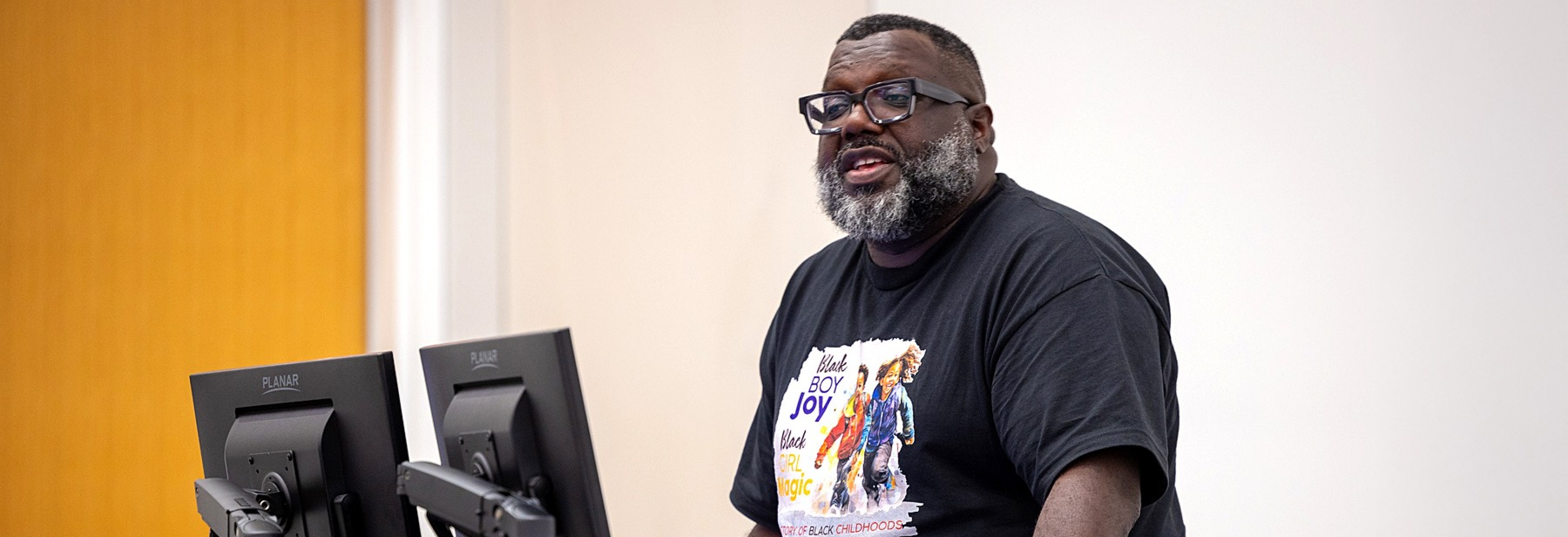
LaGarrett King speaks at his annual Teaching Black History conference, which has earned national media attention for its impact on curriculum and teacher practice. King frequently collaborates with local and national outlets to expand the public’s understanding of teaching Black history.
Published December 11, 2025
BY DANIELLE LEGARE
2025 Unwrapped: How GSE shaped conversations about education this year
As 2025 comes to a close, the University at Buffalo Graduate School of Education continues to play a prominent role in shaping public understanding of the most pressing issues in education. Whether weighing in on national debates about curriculum, examining the role of technology in schools or helping the public make sense of shifting policy landscapes, GSE faculty and staff have offered clarity, context and expertise across regional, national and global outlets.
This year’s media landscape reflects the scope of the GSE community’s scholarship, from school safety and teacher workforce challenges to the future of AI, literacy and racial equity in education.
And while the breadth of coverage is significant, the intention behind it is, too.

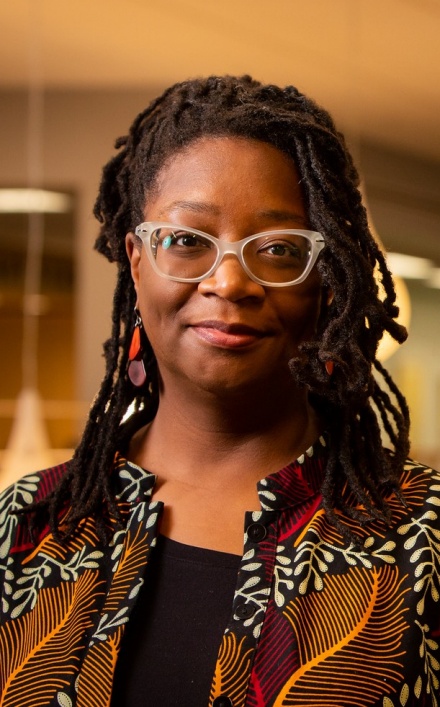
Africa Hands, assistant professor of information science, says that connecting research to the public is essential to GSE’s mission.
“Much of the research conducted by GSE faculty directly impacts real people across many spectrums. Sharing our research with the media allows us to reach a wider audience than our usual academic venues. It’s important that we engage with the media not only to share our subject matter expertise but also to provide plain language interpretations of our work and convey the real-world implications of our research,” said Hands.
“Interacting with the media can be intimidating. There’s often a short timeframe for responding. I sometimes leave a call wishing I had said something different or highlighted another important point,” she continued. “Comfort comes from practice. Thankfully, resources and support are available through GSE and UB’s communications staff.”
Hands’ reflections capture the experience of many scholars across the GSE community. Their expertise and contributions ensure that complex research reaches beyond academic circles and informs the broader conversations shaping classrooms and communities.
GSE leadership in the media

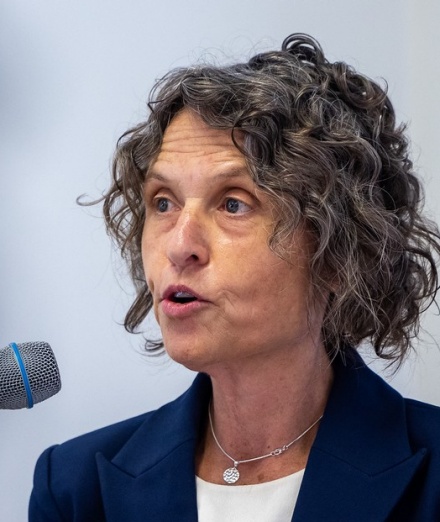
GSE’s visibility continued at the highest levels of public discourse this year, led by Dean Suzanne Rosenblith. Her insights on the relationship between religion and public education were featured in the Associated Press and shared by nearly 200 news outlets across the country. From national coverage of church–state debates to sharing insights about GSE’s new University-Assisted Community School partnership in The Buffalo News, Rosenblith’s voice helped frame how policy, democracy and schooling intersect in 2025.
Coverage in Education Week further highlighted her expertise as states navigate a shifting legal and political landscape, with Rosenblith offering critical context on efforts to infuse religion into public school systems.
Discover the Stories
Highlighting faculty contributions
Throughout the year, GSE faculty have been featured in prominent outlets including the Associated Press, Time, The Buffalo News, Education Week, BET, HuffPost, POLITICO Pro and Times Higher Education. Their voices helped shape conversations around some of the most complex and consequential issues in education.
Department of Counseling, School and Educational Psychology

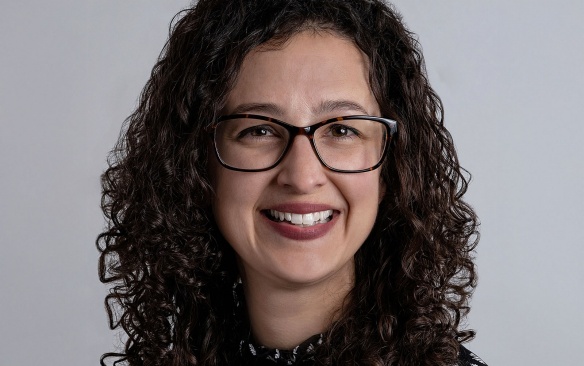
HuffPost reported on a new anti-bullying tool launched by Instagram. Stephanie Fredrick, associate professor of counseling, school and educational psychology and the associate director at the Alberti Center for Bullying Abuse Prevention, said that Instagram’s school partnership program sounds promising―but only if the social media platform really does expedite reports from school administrators. “Students often tell us that reporting [on apps] is not helpful and that nothing happens,” she said. “Moving forward, I do hope that reports from students themselves are taken just as seriously. Students are often the ones that witness these posts, and I’d love to see students feel empowered to report, as well.”

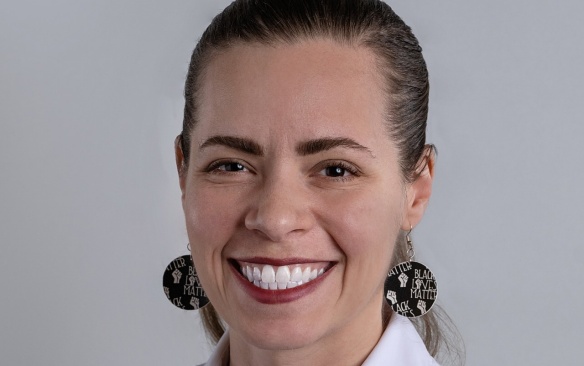
POLITICO Pro featured Katheryne Leigh-Osroosh, assistant professor of counseling, school and educational psychology, in its Morning Tech e-newsletter. In the piece on school cell phone bans, Leigh-Osroosh explained that recent surveys of districts with cell phone restrictions already in place show that teachers are frustrated with the time spent policing cell phones, and that little is known about how it affects student outcomes. “The assumptions are that if we remove the device, then we’ll re-engage [students], and there’s really no research that we found to support that,” Leigh-Osroosh said.

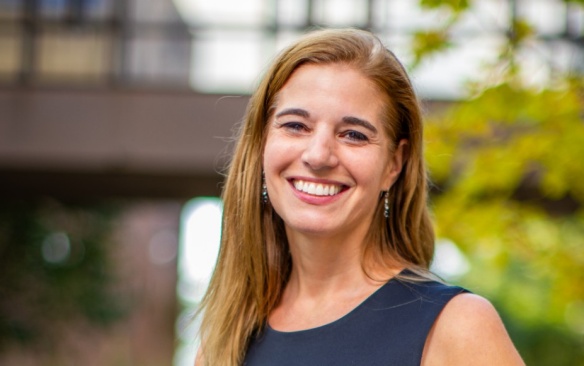
WBTV shared comments from Amanda Nickerson, SUNY Distinguished Professor and director of the Alberti Center for Bullying Abuse Prevention, about how metal detectors might impact students. The news piece focused on random metal detector screenings taking effect for Lancaster County Schools in Charlotte, North Carolina. “Metal detectors and clear backpacks are more likely to cause young children to be fearful and feel criminalized,” Nickerson previously told the Associated Press. “Many of the strategies being suggested do not have any research evidence, and they may actually erode a healthy school climate,” Nickerson said.
Discover the Stories
Department of Educational Leadership and Policy

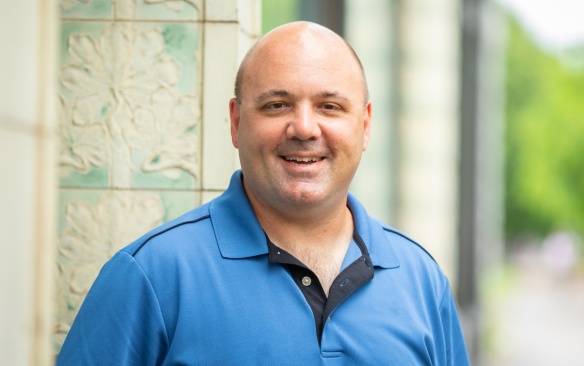
Times Higher Education quoted Nathan Daun-Barnett, associate dean for faculty and student affairs and associate professor of educational leadership and policy, about the Trump administration’s plans to cut federal education and research grants. In the longer term, Daun-Barnett warned that it will undermine the infrastructure the sector relies upon to conduct federal research, both scientific and administrative. “We can ride out a pause, but an extended reduction will result in diminished capacity and less publicly funded research,” he said. “Colleges will turn to the private sector when they can, but public dollars are best utilized for basic research and the private sector has been reluctant to spend on those early discovery phases of research.”

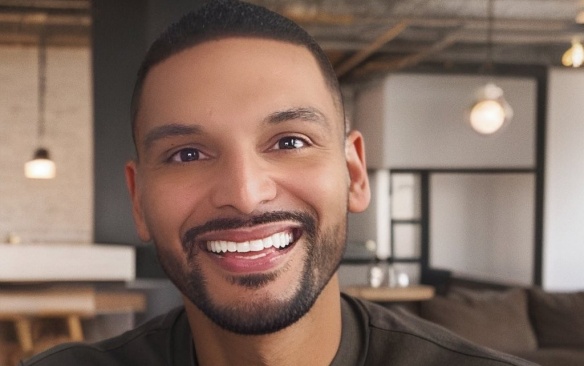
In a Volt article, Stephen Santa-Ramirez, associate professor of higher education, underscored the vital role of DEI initiatives in dismantling systemic oppression and creating opportunities for historically marginalized groups. He argued that recent political actions against DEI are direct attacks on those who benefit from these programs, including students of color, LGBTQ+ individuals and people with disabilities, stating, “If you’re attacking DEI, you’re attacking the people who benefit from DEI.”

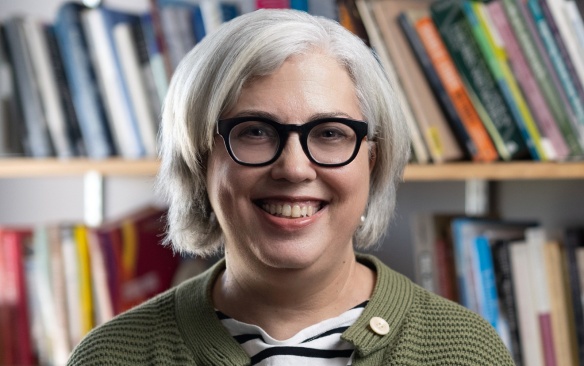
Buffalo Spree magazine quoted Corrie Stone-Johnson, professor of educational leadership and policy, in a story about how indie bookstores are thriving in Buffalo. Stone-Johnson spoke about her dual roles as a professor and the owner of Black Rock Books, which opened in 2023. “Behind both of these roles is a commitment to helping people make sense of their world,” she said
Discover the Stories
Department of Information Science

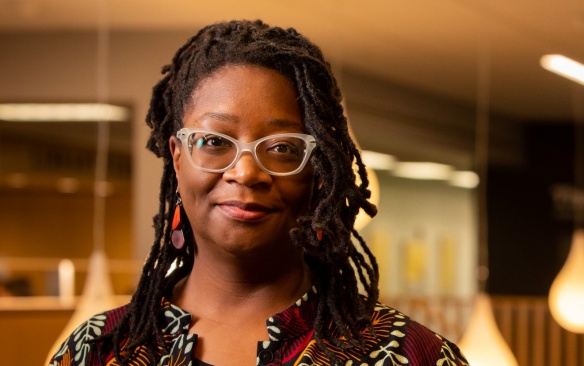
Africa Hands, assistant professor of information science, was quoted in a Time magazine article about how libraries across the nation are faring under Trump administration budget cuts. “Think about what it says to future librarians, the folks that I teach, to see all that's happening in their communities,” Hands said. “It can be demoralizing for faculty and students to know that their field, their life's work, is being dismantled. It has a personal, emotional, and mental impact.”
Hands was also featured in The Buffalo News in a story about a parent’s attempt to ban books from a Ken-Ton schools’ libraries.

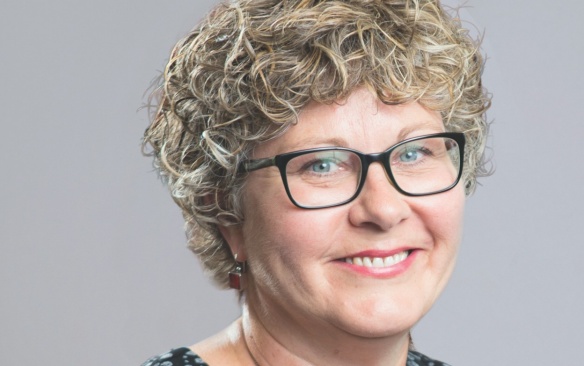
Women in Academia reported that Heidi Julien, professor of information science, received the Association for Information Science and Technology’s 2025 Award of Merit.


Saguna Shankar, assistant professor of information science, was featured on the Documentary Heritage and Preservation Services for New York website for her webinar “Stories from the Field: Revealing Restricted Voices, A Love Canal Interview Redaction Project.”
Discover the Stories
Department of Learning and Instruction

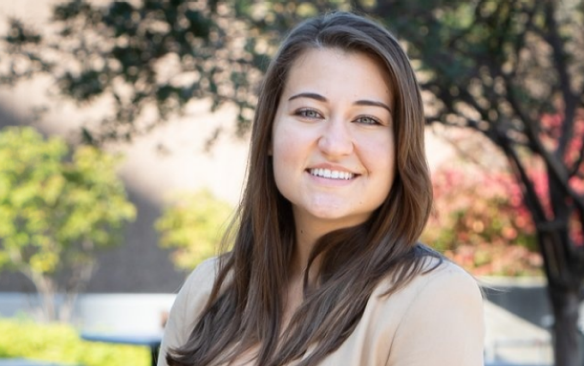
The Buffalo News' Sunday Viewpoints section published an op-ed by Tiffany Karalis Noel, clinical associate professor of learning and instruction, about post-pandemic teacher attrition and the growing phenomenon of “moral injury” among U.S. teachers. Karalis Noel wrote: “To teach in the post-pandemic United States is to inhabit an increasingly incoherent system that proclaims education as a cornerstone of democracy but treats its stewards as disposable. The condition often labeled ‘teacher burnout’ is more accurately described as a moral crisis. It’s not stress or fatigue; it’s the psychological toll of being asked, day after day, to participate in practices that contradict the very values that drew educators to the profession in the first place.”

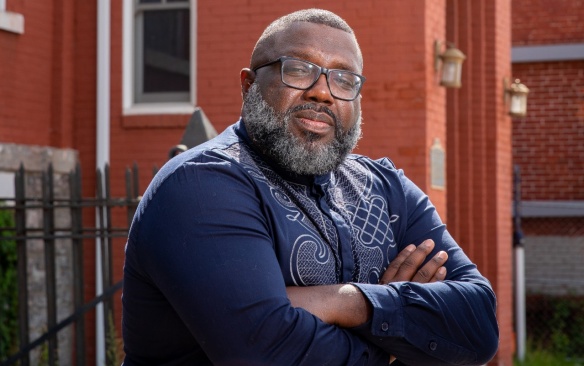
BET quoted LaGarrett King, professor of learning and instruction and director of the Center for K-12 Black History and Racial Literacy Education, in an article about states that are passing laws that could prohibit the teaching of Black history. King believes that teaching Black history is important because it allows children to see humanity in each other.

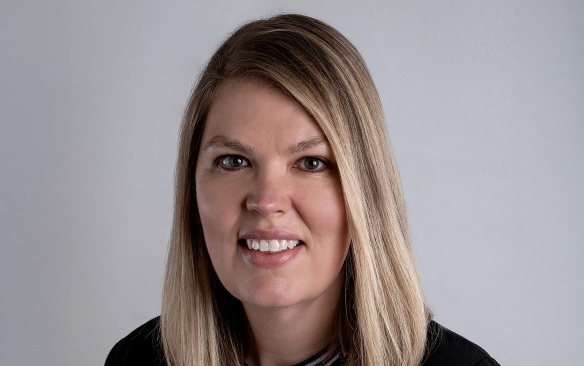
The Buffalo News and Education Week quoted Amanda Winkelsas, clinical associate professor of learning and instruction and director of the teacher residency program, in stories about cuts by the U.S. Department of Education to UB’s teacher residency program. “We’ve got really good data that suggests our alumni—people prepared through our pathway—are more effective than other first-year teachers not prepared through our pathway,” Winkelsas told The News. “These programs are focused at their core on addressing teacher shortages and professional learning for teachers,” she told Education Week.
Discover the Stories
Staff making headlines
GSE’s staff members also continued to make an impact in the media throughout the year.

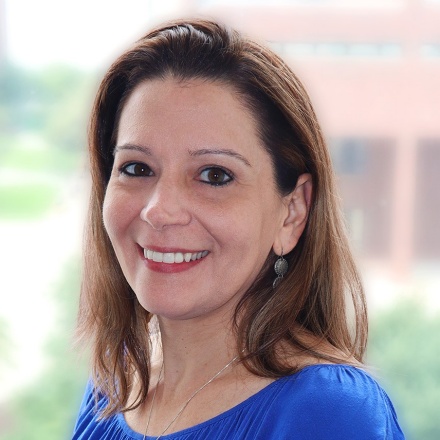
Local news outlets, including WIVB-TV, WGRZ-TV and local music journalist Jeff Miers’ Substack, interviewed Brie Kishel, program and operations manager at the Alberti Center for Bullying Abuse Prevention, about the 11th annual BAND Against Bullying event hosted at UB’s Center for the Arts.
“Art has always been a force to bring people together, to tell stories and break down barriers,” she said. “The students who participate in BAND are using the power of storytelling through art to share their interpretation of what dignity, respect, and kindness means to them.”
In addition, WIVB-TV’s Daytime Buffalo featured the free services offered by GSE’s Brainy Bulls tutoring and mentoring program.
Wil Green, assistant dean of outreach and community engagement, and UB students Joseph Scerbo and Melodie Loya, spoke with Daytime Buffalo about the program's offerings and its recent expansion to eight Western New York counties.
“With this being our third year, our goal is to continue to provide quality academic and social-emotional support to students across Western New York,” Green said.
Discover the Stories