Counseling Psychology and School Psychology, PhD
Imagine a future where your work contributes to groundbreaking approaches in mental health, your research and interventions set new standards in the field, and your commitment to psychological well-being creates a real impact.
Transform Vision Into Impact
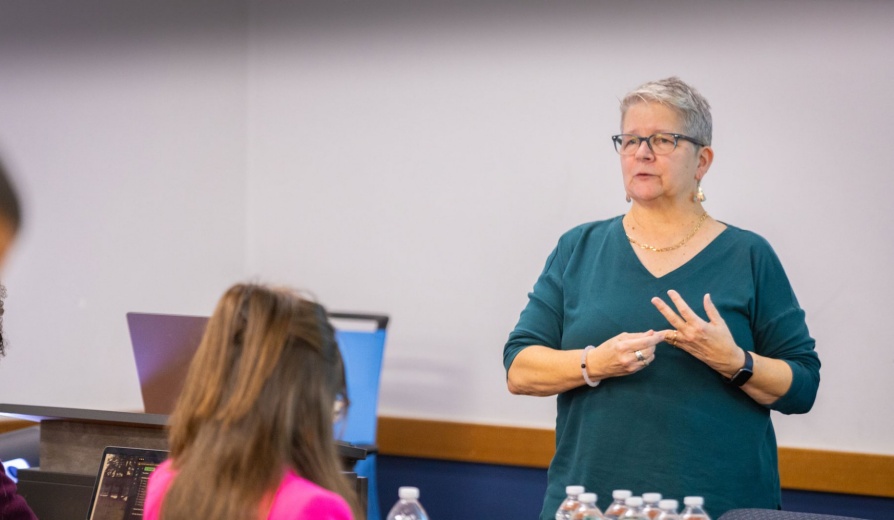
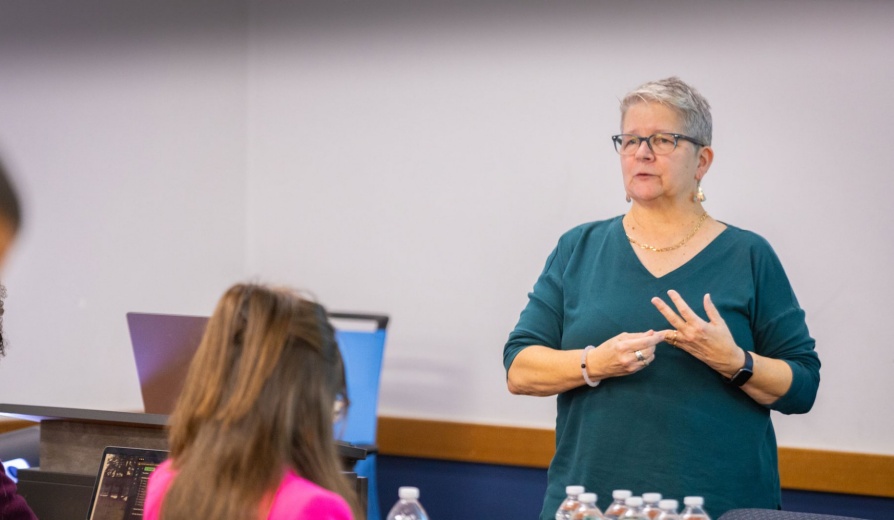
Our counseling psychology and school psychology doctoral program prepares psychologists to enhance human services through scientific inquiry and practice. Based on the scientist-practitioner model, it offers specialized training in counseling or school psychology. Key features include a foundation in psychological science addressing contemporary issues, integration of research methods with practical counseling, and dedicated advisement for ongoing research and clinical development.
Purpose Beyond Service
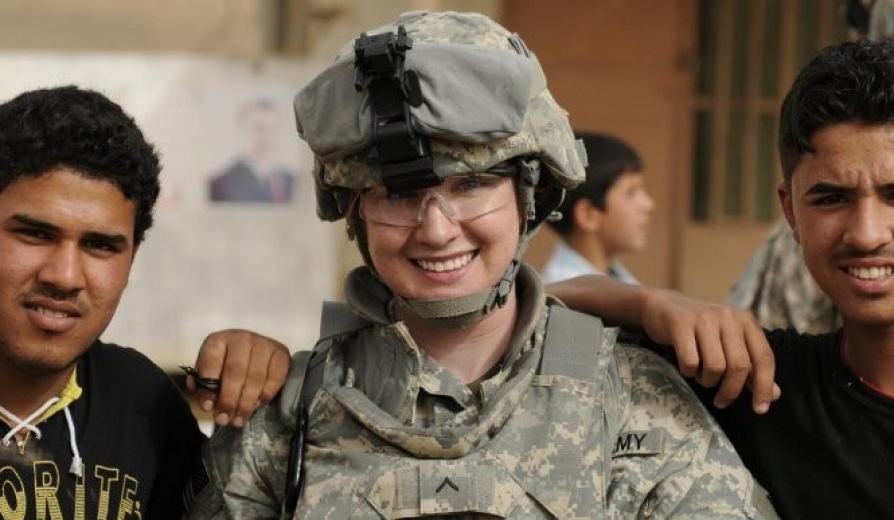
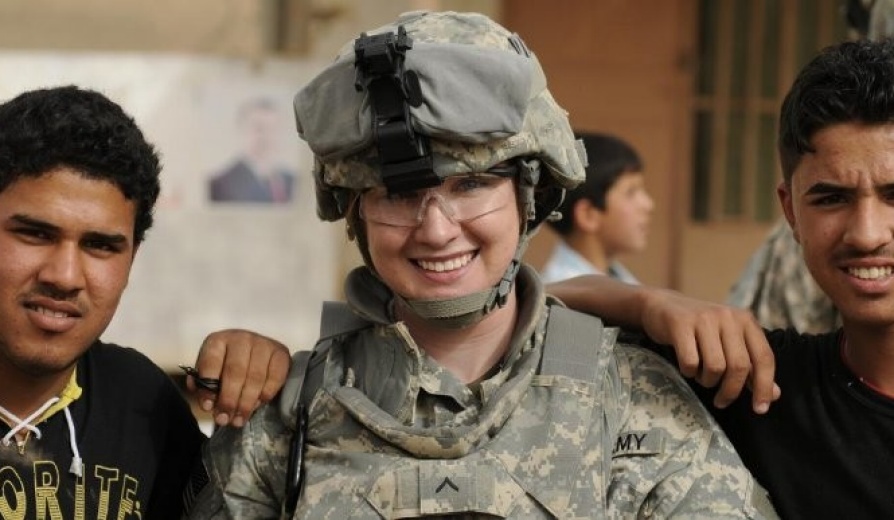
After five years in the U.S. Army and a deployment to Iraq, UB GSE alumna Emily Knitter found herself untethered—struggling with identity and purpose once her uniform came off. Through therapy, a psychology degree and a PhD dissertation focused on veterans’ reintegration, she has transformed personal challenge into mission-driven research and healing. Now a licensed psychologist, Knitter pioneers trauma-informed programs that help veterans rebuild, belong and thrive.
Points of Distinction
Our program uniquely integrates the scientist-practitioner model, allowing you to choose specialized training in either counseling psychology (focused on older adolescent and adult populations) or school psychology (centered on child and adolescent populations). This dual specialization equips graduates to excel in diverse client environments with tailored, expert knowledge.
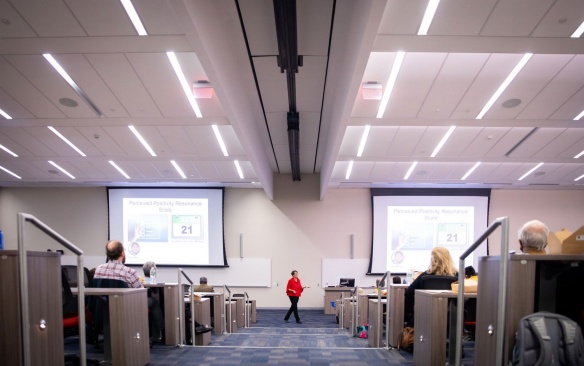
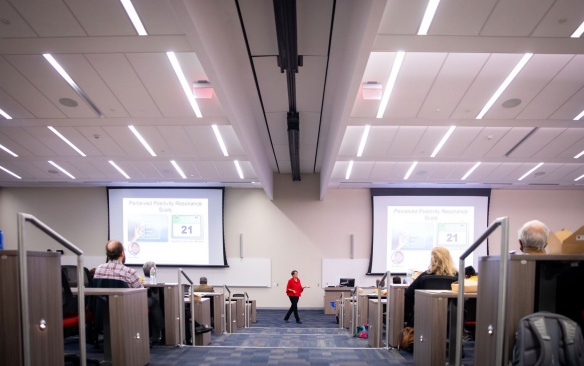
With an emphasis on the integration of science and practice, our program offers comprehensive training in research methods, counseling/intervention techniques and consistent advisement. This structured support empowers students to excel in clinical settings while establishing a strong foundation for impactful research contributions.
This program is accredited by the American Psychological Association, underscoring our dedication to not just educational excellence, but to making a profound difference in the world through practice and service.
Program Overview
| Academic credential granted | Doctor of Philosophy (PhD) |
|---|---|
| Credits required for completion | 96 |
| Time to completion | 5 to 5+ years |
| Course delivery | On campus |
| Doctoral practicum contact hours | 1000 |
| Application deadline | December 1 |
Full-time Status
Our combined doctoral program in counseling psychology and school psychology is designed as a full-time program of study. You are required to be registered each semester. Full-time status requires being registered for 12 credit hours each semester. Graduate assistants are considered full-time when registered for 9 credit hours. The intent of the full-time residence requirement is to provide the interactions with faculty and fellow students necessary for acculturation and socialization in the science and practice of psychology.
Maintenance in Progress
Coursework information is being updated. Please check back for an updated list of course requirements.
Standardized Testing No Longer Required
To make the application process more equitable, the GRE/MAT is no longer required for admissions consideration. If you still plan to take the GRE/MAT exam, you can send your scores through the testing agency, and they will automatically be added to your application; however, they are not required for admission consideration to this program.
You must have a bachelor’s (BA/BS) or master’s degree in a related field. While an undergraduate major in psychology is not required, we suggest that you present a broad background in the applied social sciences including anthropology, psychology and sociology.
Submit your completed online application, which includes:
- Application fee: A $50 non-refundable application fee, submitted electronically through UB’s ePayment system.
- Contact information for at least three individuals who will each be asked to provide an electronic recommendation letter.
- Unofficial transcripts from all colleges attended. (UB transcripts are automatically submitted for current UB students and alumni.)
- Statement of interest: Statement of your career goals and objectives.
- Diverse backgrounds statement: On the application, you will be directed to submit a 300–400-word response to the following: Describe any interests and experiences you have had working with individuals from different backgrounds than yourself (e.g., ethnic/racial, cultural, socio-economic, religious, ability status, sexual orientation). How have these experiences influenced you?
Personal Interview Upon University Request: Applicants must make themselves available for interviews with faculty. In recent years, admissions interviews have been conducted virtually.
Former/Birth Name: Please provide us with your former/birth name if you have one. When requesting transcripts, please ask the sending institution to indicate your current name and former/birth name.
Admission Decision: The admission decision will be communicated to you as soon as the review is complete. The decision is based on several factors and is the result of a thorough and deliberate process. All decisions are final and cannot be appealed.
In-State Residency Tuition
To qualify for the in-state residency tuition rate, you must provide residency documentation indicating you have lived in New York State (NYS) 12 months before your semester start date.
If accepted, you will need to upload three documents to qualify for the in-state tuition rate. See Required Documents for Residency Application for more information.
International Applicant Additional Requirements
- Official original proof of your degree
- A copy of your passport biographical page
- Official test scores—dated within two years of submitting your application—for either the TOEFL (Test of English as a Foreign Language), the IELTS (International English Language Testing System) Academic Test, the PTE (Pearson Test of English) Academic, or DET (Duolingo English Test). View the English Language Proficiency policy to find the minimum score required.
- Financial documentation: International graduate applicants must document their ability to pay for all costs incurred while studying in the U.S.
- An official bank statement
All financial forms and supporting documentation with required signatures must be uploaded with your application and dated within one year of your intended enrollment date.
Our graduates go on to become licensed psychologists in:
- Hospitals
- Mental health centers
- School systems
- University counseling centers
Program Disclosures
As articulated in Standard I.B.2, programs may have “admission and employment policies that directly relate to affiliation or purpose” that may be faith-based or secular in nature. However, such policies and practices must be disclosed to the public.
This program does not require students, trainees, and/or staff to comply with specific policies or practices related to the institution’s affiliation or purpose. Such policies or practices may include, but are not limited to, admissions, hiring, retention policies, and/or requirements for completion that express mission and values.
Professional Licensure Disclosure
New York State prides itself in the high quality of its licensed and certified professionals. For the protection of its citizens, each license and certificate has requirements that individuals must meet in order to be licensed or certified in New York State. SUNY’s academic programs leading to licensure or certification are carefully designed to meet and exceed these state requirements. This is a role SUNY plays in protecting the public.
Per U.S. Federal Regulations, §668.14 and §668.43 and in compliance with the SARA Policy Manual version 26.1, July 1, 2026, the University at Buffalo provides the disclosure(s) on this page related to the educational requirements for professional licensure and certification for academic programs leading to professional licensure to meet the educational requirements for licensure in states where UB students reside. These disclosures do not provide any guarantee that any particular state licensure or certification entity will approve or deny your application. Students are responsible for understanding and complying with all applicable state certification and licensure requirements. Professional licensure/certification requirements vary from state to state, which may affect a student's ability to apply for a professional licensure/certification upon completion of the educational program, prior to licensure. Furthermore, these disclosures do not account for changes in state law or regulation that may affect your application for licensure and occur after these disclosures have been made.
Effective July 1, 2024, federal regulation requires institutions of higher education to make a determination whether a Title IV eligible academic program that leads to professional licensure or certification meets the educational requirements for licensure/certification in the U.S. State where the institution is located and the U.S. States where “distance education” students are located at the time of initial enrollment in the program, as well as U.S. States where the program is advertised as meeting such requirements, and if applicable, the U.S. State where students attest they intend to be licensed/certified. The combined doctoral program in counseling psychology and school psychology at the University at Buffalo (UB) is registered by the New York State Education Department and thus meets the educational requirements for licensure/certification for New York State. Through a good faith effort, and for the purpose of complying with the federal regulation, we have determined that the combined doctoral program in counseling psychology and school psychology at UB meets the educational requirements for licensure/certification in the state of New York; however, it is important to note that UB is not the licensure/certification authority in these U.S. States and cannot assess whether an individual candidate will be issued a license/certificate in these U.S. States and instead each individual candidate must contact the licensure/certification authority in the U.S. State in which they are seeking licensure/certification to obtain guidance on the application policies and procedures for licensure/certification.
Our combined doctoral program in counseling psychology and school psychology is accredited by the American Psychological Association (APA). Our program’s accreditation follows the Standards of Accreditation for Health Service Psychology (SoA) as developed by the APA Commission on Accreditation and approved by the APA Council of Representatives. Completion of the program qualifies graduates for a variety of positions in schools, universities, hospitals, private practice, mental health centers, university counseling centers and community clinics. Graduates meet the educational requirements to sit for the psychology licensure examination in New York.
Individuals who anticipate seeking licensure/certification outside New York State may wish to seek additional guidance via the National board for Certified Counselors (NBCC) that provides this information for the profession:
Our combined doctoral program in counseling psychology and school psychology is accredited by the American Psychological Association (APA): 750 First St., NE; Washington, D.C. 20002-4242; 202-336-5979.

Professor
Counseling, School And Educational Psychology
Research Areas: Addictions; Community Wellness; Eating Disorders; Embodiment; Measurements; Meditation, Mental Health and Wellness; Mental Health; Mindfulness; Positive Psychology; Self-regulation; Wellness; Yoga

Professor
Counseling, School And Educational Psychology
Research Areas: Bullying; Child and Adolescent Development; Design and Analysis of Longitudinal Research; Eating Disorders; Family; Measurements; Mental Health; Quantitative Research Methods; Research Design; Research Methods; School Counseling; Social and Emotional Development; Wellness

Associate Professor
Counseling, School And Educational Psychology
Research Areas: Bullying and cyberbullying; school climate; school-based mental health; adolescent media use and digital citizenship

Clinical Professor
Counseling, School And Educational Psychology
Research Areas: Meditation, Mental Health and Wellness; Self-regulation; Wellness; Yoga

Assistant Professor
Counseling, School And Educational Psychology

Associate Professor
Counseling, School And Educational Psychology
Research Areas: My research focuses on the psychosocial wellness of communities minoritized by race, sexual orientation, and gender identity (i.e., queer people of color or QPOC), & increasing retention rates of students of color in graduate psychology programs.

Distinguished Professor
Counseling, School And Educational Psychology
Research Areas: School Crisis Prevention and Intervention, Bullying, School Safety, Bystander Intervention,

Professor
Counseling, School And Educational Psychology
Research Areas: Clinical and Career Counseling; Cultural Competence; Cultural Competence and Humility; Diversity; Gender and Sexuality Studies; Gender, Culture, and Equity; Higher Education; LGBT+ Studies; Mental Health; Multicultural Competence; Queer and Trans People and Perspectives; Race, Inequality, and Education; Racism and AntiBlackness; Social Justice; Training and Supervision

Clinical Professor
Counseling, School And Educational Psychology
Research Areas: Achievement; Cognition; Cognitive Psychology; Online and Distance Learning; Quantitative Research Methods; Social and Emotional Development

Associate Professor
Counseling, School And Educational Psychology
Research Areas: Assessment; Child and Adolescent Development; Clinical and Career Counseling; Measurements; Mental Health; Program Evaluation; Psychometrics; Quantitative Research Methods

Clinical Professor
Counseling, School And Educational Psychology
Practice Meets Purpose
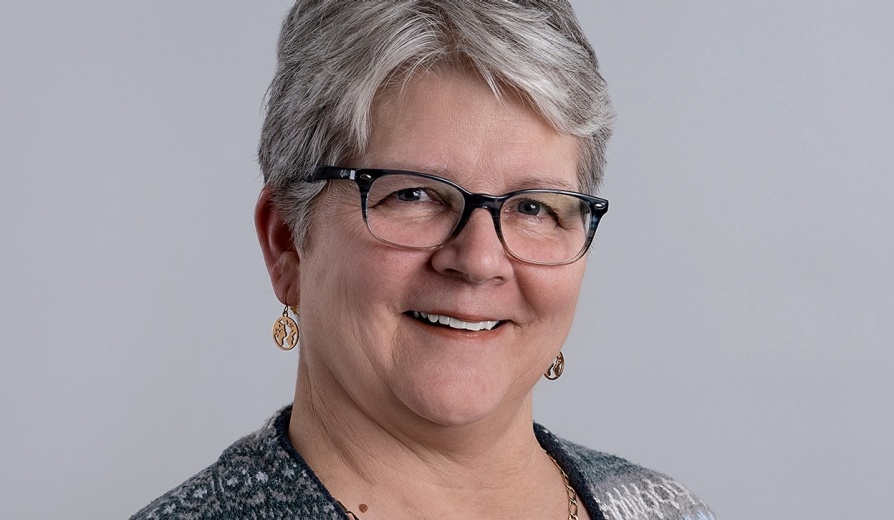
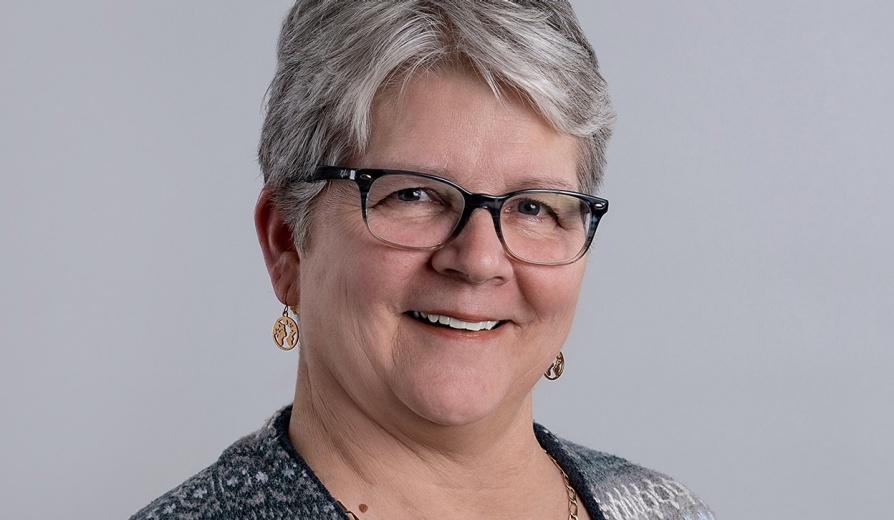
Professor Amy Reynolds advocates for transformative change in counseling psychology, promoting inclusivity, reparations and accountability. Her work serves as a blueprint for dismantling biases and fostering equity in education and counseling. Specializing in multicultural issues and college student mental health, Reynolds is an expert on race, gender, social class, religion and sexual orientation. Her research also addresses LGBT bullying, high school experiences and the impact of racism-related stress on Native American students’ academic motivation. She is a licensed psychologist with extensive experience in higher education.