Race-Centered Trauma-Responsive Schools Approach: Pathway to Racial Healing

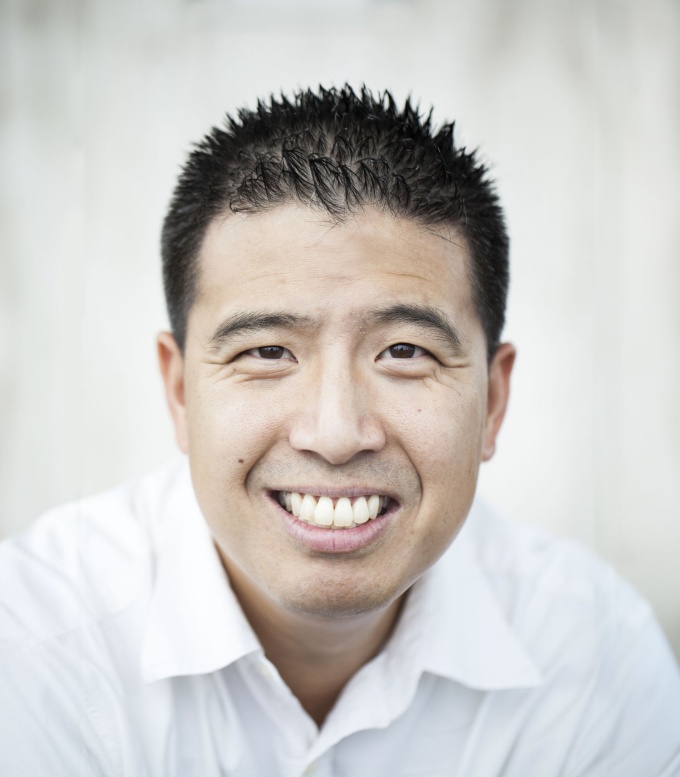
Christopher T. H. Liang, PhD
Professor, Counseling Psychology
College of Education, Lehigh University
Co-sponsors of this event:


- Date: Tuesday, April 2, 2024
- Time: 11:30 a.m. to 1:00 p.m. ET
- Location: 768 Delaware Ave., Buffalo (BestSelf - Training Room), and virtually via Zoom
Recording format
Due to some audio issues we experienced while recording this event (which you will notice in the second half of Part One), we switched to a different recording device for Part Two of the presentation. You can follow along with the slides shared below for Part Two. Thank you for your understanding and we apologize for any inconvenience!
The last 20 years has seen rapid development of research on complex trauma and the brain. Although much of the initial research focused attention on chronic health problems experienced by adults, results of recent education research indicate that children and adolescents, particularly youth of color, report adverse childhood experiences (ACEs). Further, scholars argue that exposure to ACEs influences how youth regulate behavior and emotions, learn, and relate to others. These negative outcomes are predictive of academic challenges in schools. The focus of this talk is to provide an overview of research and efforts to implement race-centered trauma responsive schools, a systemic approach aimed to complement often employed skills building interventions, in urban schools of the Lehigh Valley in Pennsylvania. This talk will also offer radical mindfulness, as an alternative to typical mindfulness curriculum.
Attendees will be able to:
- Identify at least two school-based outcomes of exposure to adverse childhood experiences.
- Identify at least two components of a trauma leadership team.
- Identify at least one potential benefit and one barrier to implementing peace spaces in schools.
- Offer at least two critiques of mindfulness interventions, with a potential solution for each.